
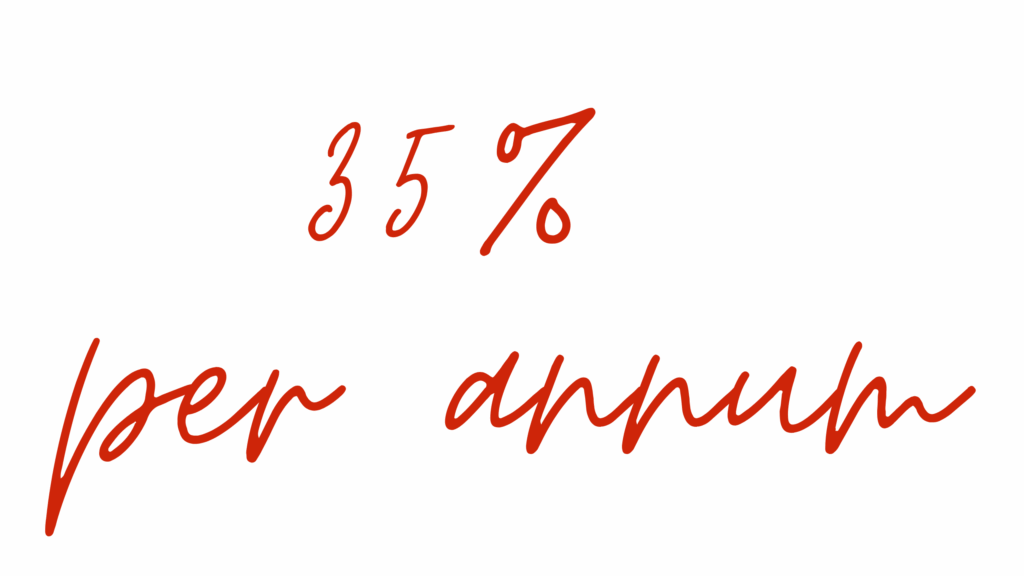
Section 347 of the Criminal Code of Canada creates the offence of charging a “criminal rate” of interest. It was originally enacted to combat loan sharking, but today it applies to a wide range of lending arrangements, including private loans, mortgages, commercial lending and consumer credit. The purpose of the law is to protect borrowers, especially vulnerable individuals, from exploitative lending practices.
A criminal rate of interest means an annual percentage rate (APR) that exceeds 35%. This calculation includes all fees and charges connected to the loan, not just the stated interest rate. The definition of “interest” is broad and captures broker fees, commissions, default charges, renewal fees and other amounts that increase the cost of borrowing, unless specifically excluded in the statute.
However, there are certain exemptions and carve-outs. They are based on the policy rationale that certain forms of credit do not raise the same concerns about predatory lending. These exemptions exist in the payday and pawn lending markets and in the commercial lending market. For example, the criminal interest rate for commercial loans is capped at 48% APR when the loan is between $10,000 and $500,000 and the borrowing is for business purposes and the borrower is not a natural person (such as a corporation). There is no criminal interest rate where the loan is more than $500,000 and the borrowing is for a business purpose and the borrower is not a natural person.
Practical caution for lenders: Since “interest” includes almost every cost associated with a loan, private lenders need to take care when charging lender fees, broker commissions, renewal fees, default interest or other charges. Even if the nominal interest rate seems safe, the total cost of borrowing can push the effective APR above the 35% threshold, exposing the lender to criminal liability.
Provincial Overlay
The Criminal Code sets a national maximum. Provincial consumer protection and lending laws may impose lower caps, disclosure requirements and licensing obligations, which lenders must also comply with.